Your face didn't age.
It deflated.
One in eight American women now experience sudden mid-face volume loss from GLP-1s, perimenopause, or rapid aging. Filler refills the space. It does not fix the cause. Aumora is the topical translation of the Korean clinical protocol used to rebuild facial volume without needles.
(top responders, 8 wks)
peer-reviewed PDRN trial
in Seoul clinics
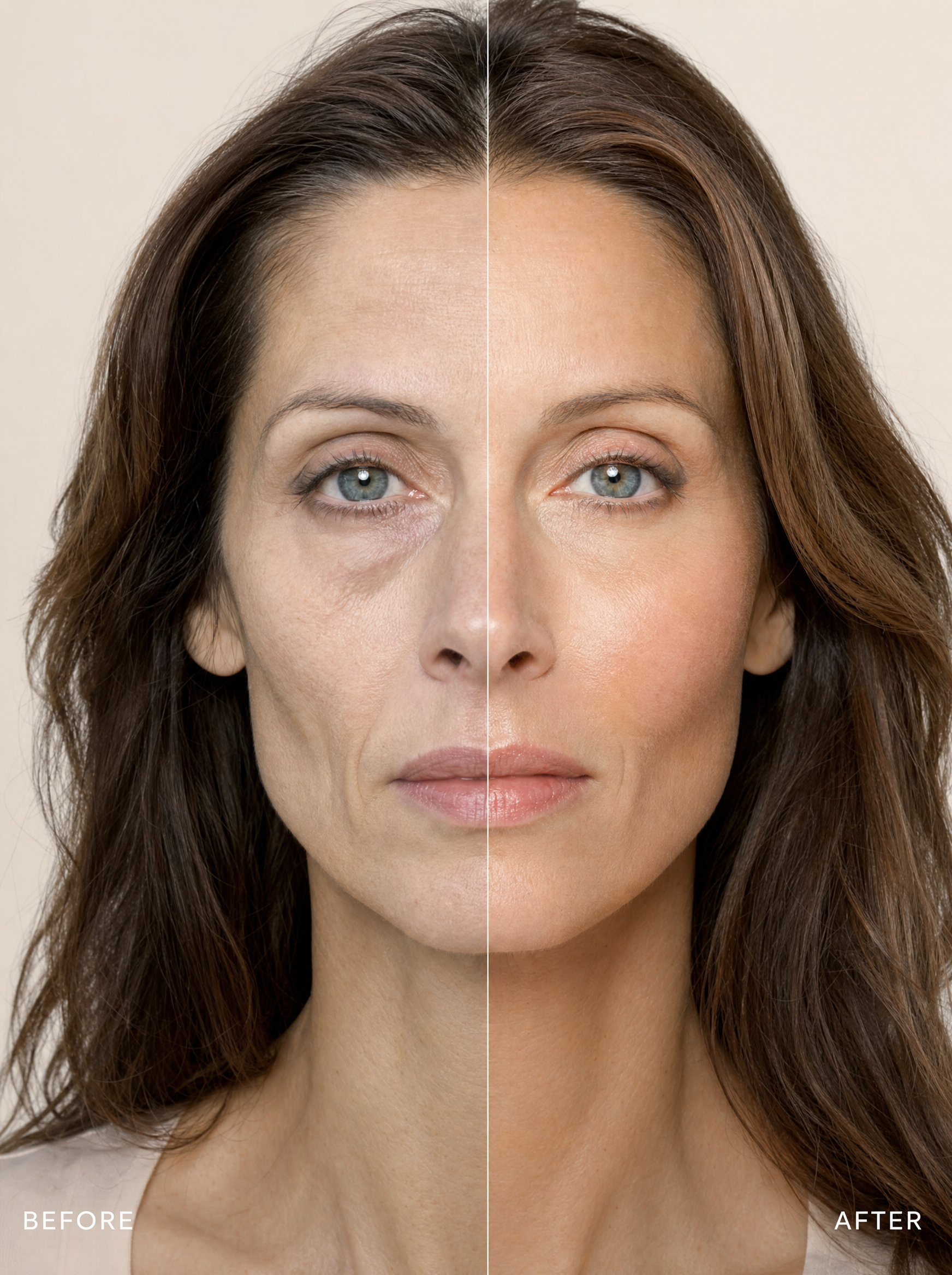

You went to bed looking great. You woke up looking deflated.
It's not your imagination. Your cheeks didn't shrink slowly over a decade. They emptied in three months. Your under-eyes hollowed. Your jawline melted. The face that smiled back at you in photos last summer is gone.
The industry's answer is filler. Two syringes where they used to recommend one. $700 per syringe. Every six months. Forever. There's another way.
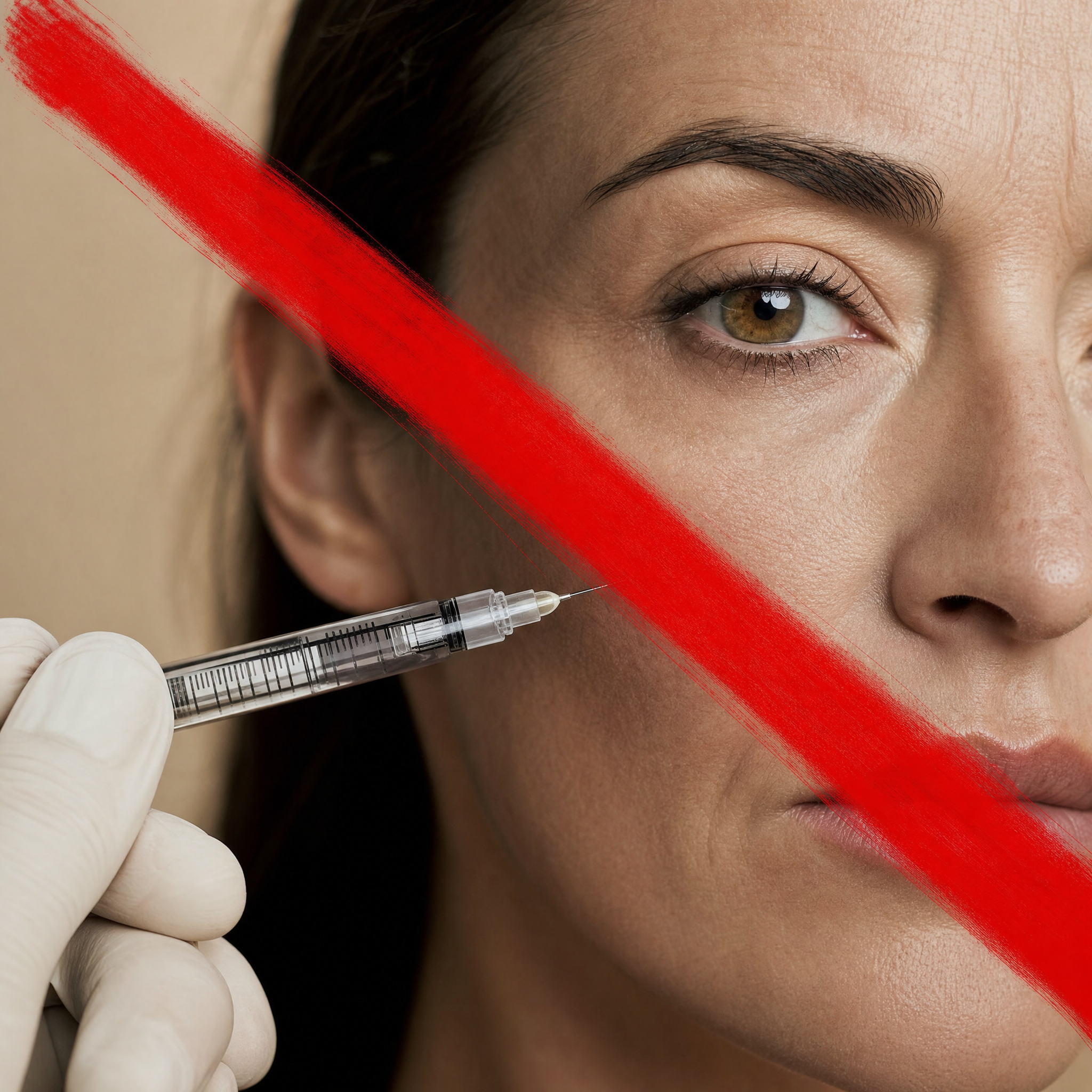
Filler doesn't fix what's broken. It hides it.
Dermatologists make $700 per syringe. The doctor who coined "Ozempic face" in the New York Times now uses two to three syringes where one used to suffice.
Filler refills empty space with gel. It does nothing to the fibroblasts that stopped producing collagen. It does nothing to the adipocyte layer that deflated. Six months later you need more. And more. Until your skin stretches and you look worse without it than you did at the start.
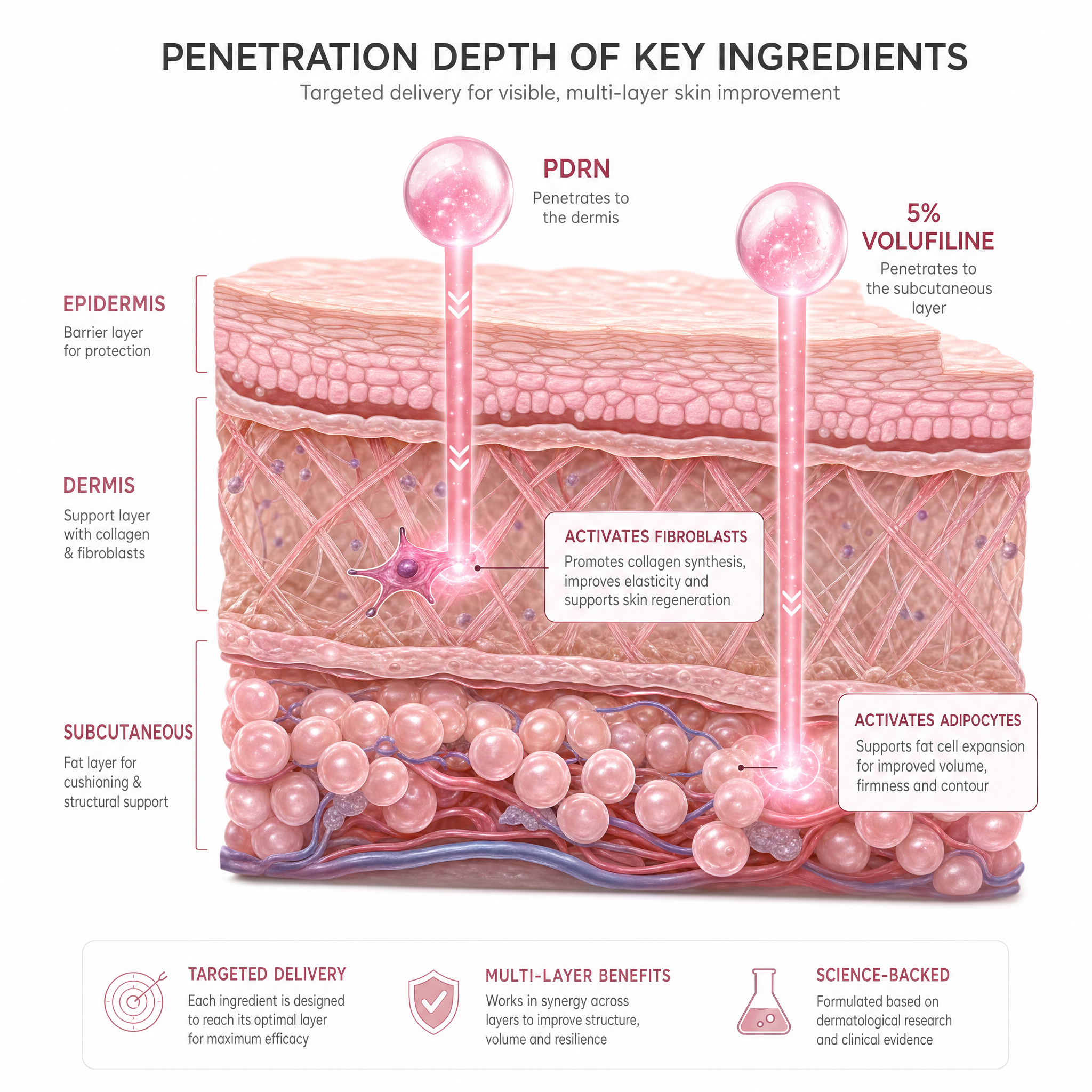
Most plumping serums sit on top of your skin. Aumora goes three layers deep.
The same molecular mechanism Korean dermatologists use in clinical injections — formulated into a topical balm that crosses the skin barrier.
Born in Italy. Perfected in Seoul.
PDRN was first isolated by Mastelli pharmaceuticals in Sanremo, Italy, in the 1980s. In 2014, the Korean MFDS approved it for clinical use. Today, women in Seoul pay $1,200 per session for the injectable version. In 2025, a €54.5M deal brought it to 22 European countries.
The FDA still hasn't approved the injection in the United States. The only legal route here is topical. That's what Aumora is.

The difference between refilling and rebuilding.
Why Aumora is the only topical doing what it actually claims.
What happens in eight weeks.
This is not an overnight product. It's the topical version of an 8-week clinical protocol — and the data shows it works on a schedule.
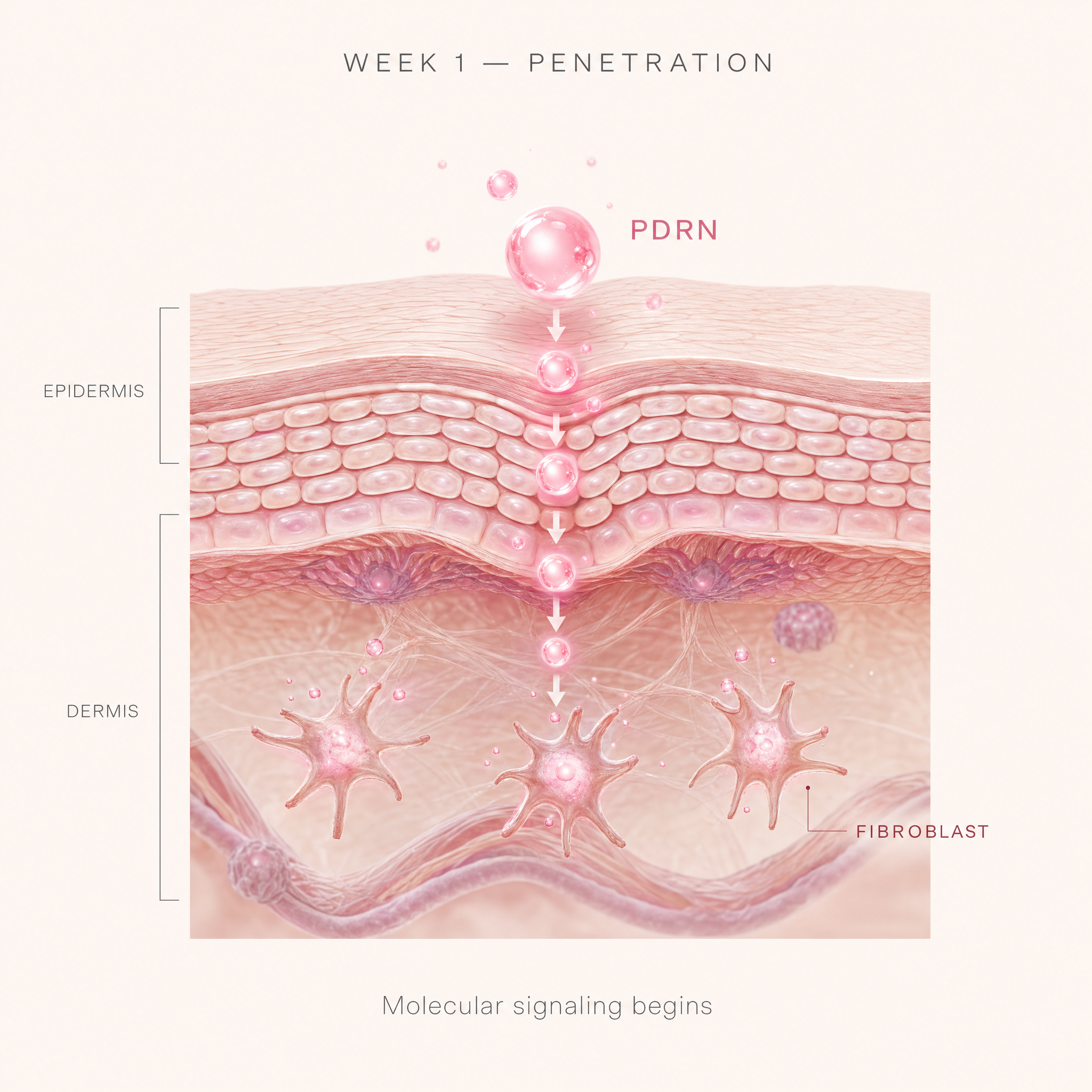
Penetration phase
Liposomal PDRN crosses the skin barrier and reaches the dermis. Fibroblast cells begin receiving the A2A receptor signal. Nothing visible on the surface yet, but the biological switch has flipped.
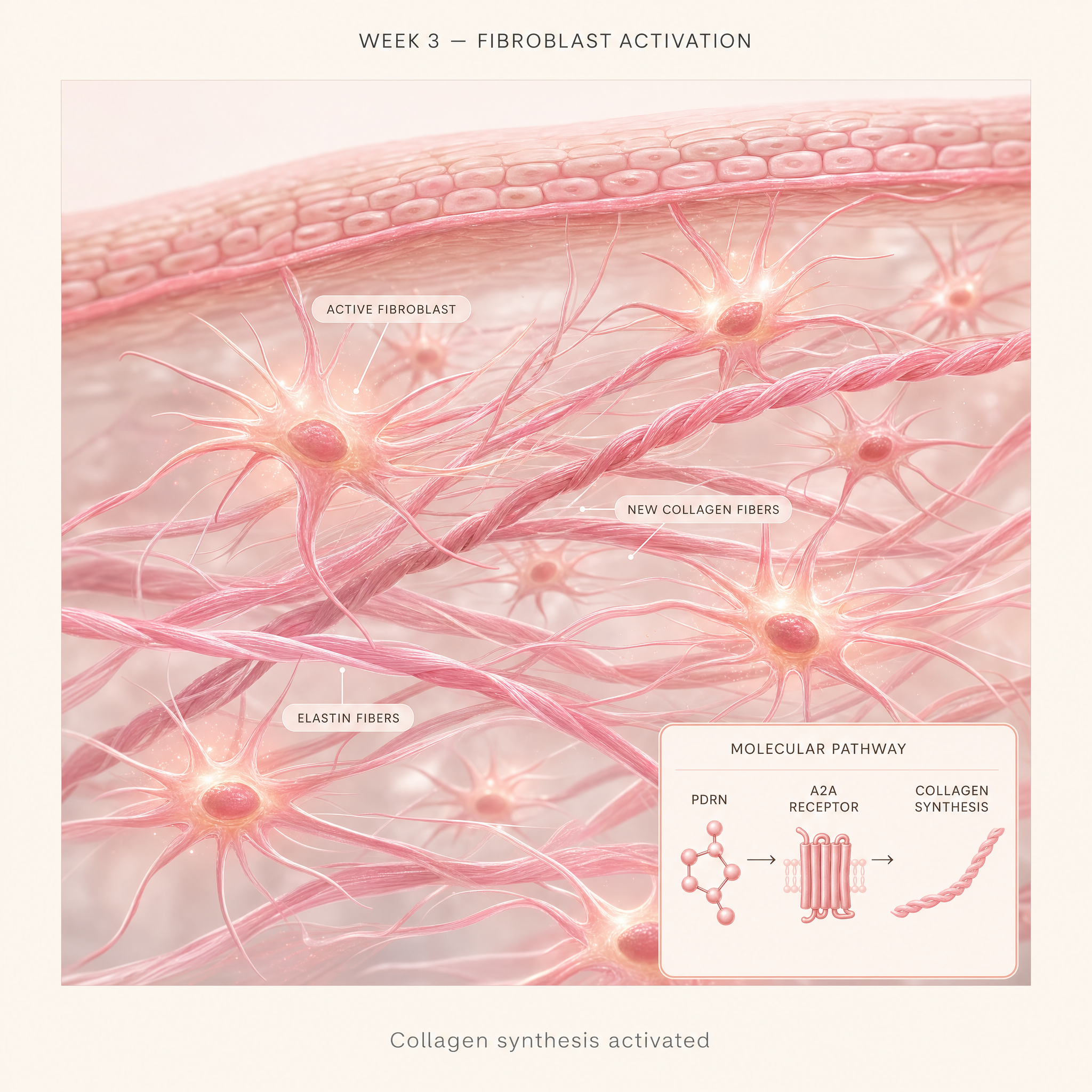
Fibroblast activation
Fibroblasts now actively produce fresh collagen, elastin, and VEGF. New protein fibers weave into the dermal matrix. Skin density measurably increases. The first visible softening appears.
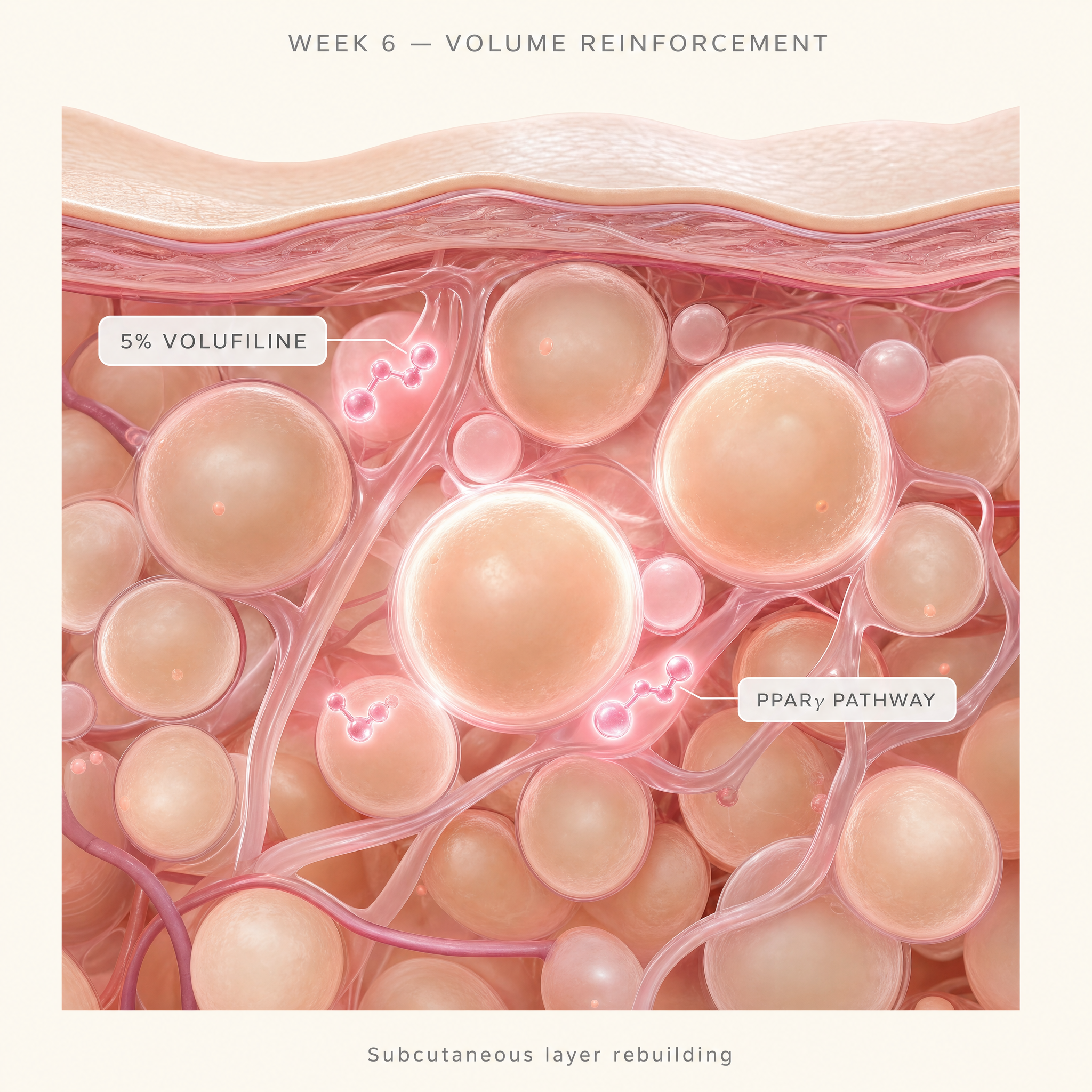
Volume reinforcement
5% Volufiline triggers the PPARγ pathway in the subcutaneous layer. Adipocytes expand and reinforce the cushion beneath your cheeks. The lift becomes visible in photos.
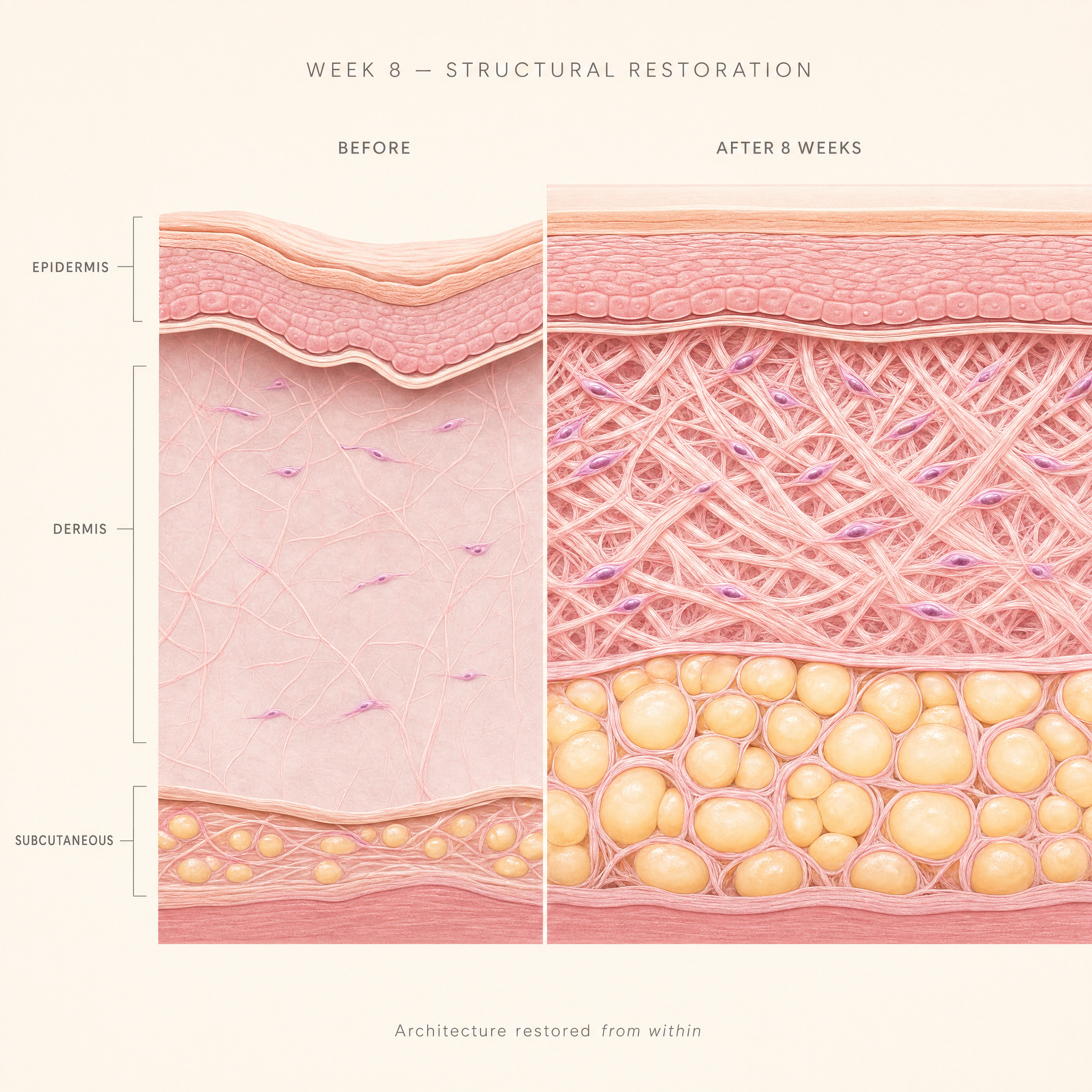
Structural restoration
Dense collagen network rebuilt. Subcutaneous cushion restored. Top-quartile responders show +8.4% measured volume gain on FOITS imaging. The architecture is back, rebuilt from within, not injected.
You're skeptical. You should be.
Here are the honest answers to what every smart buyer is thinking right now.
What women are saying about their face coming back.
I have my cheeks back
Cancelled my filler appointment
The first thing that actually worked
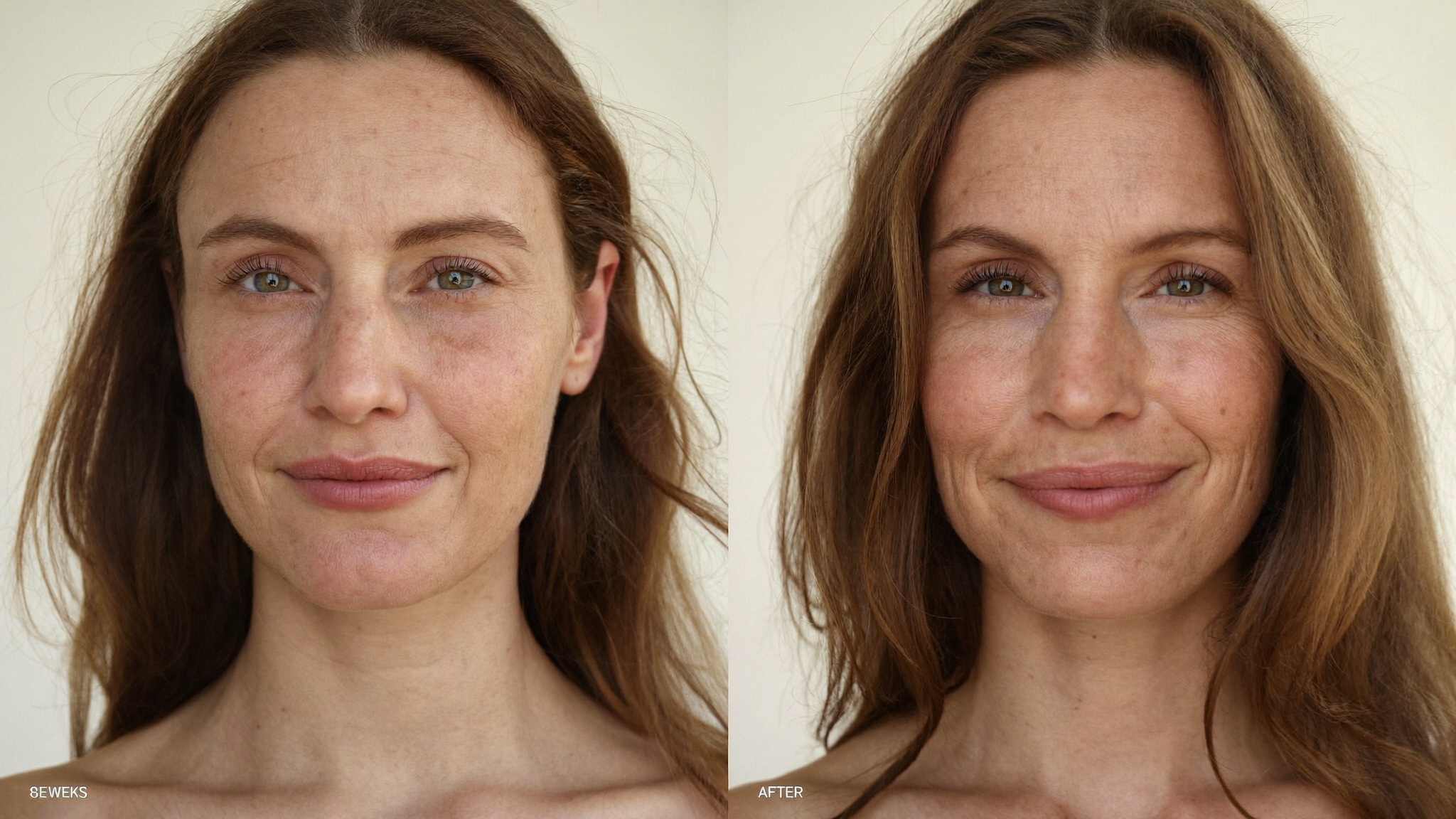
This is what rebuilt looks like.
Same woman. Same lighting. 56 days apart. No filler. No needles. No filter.
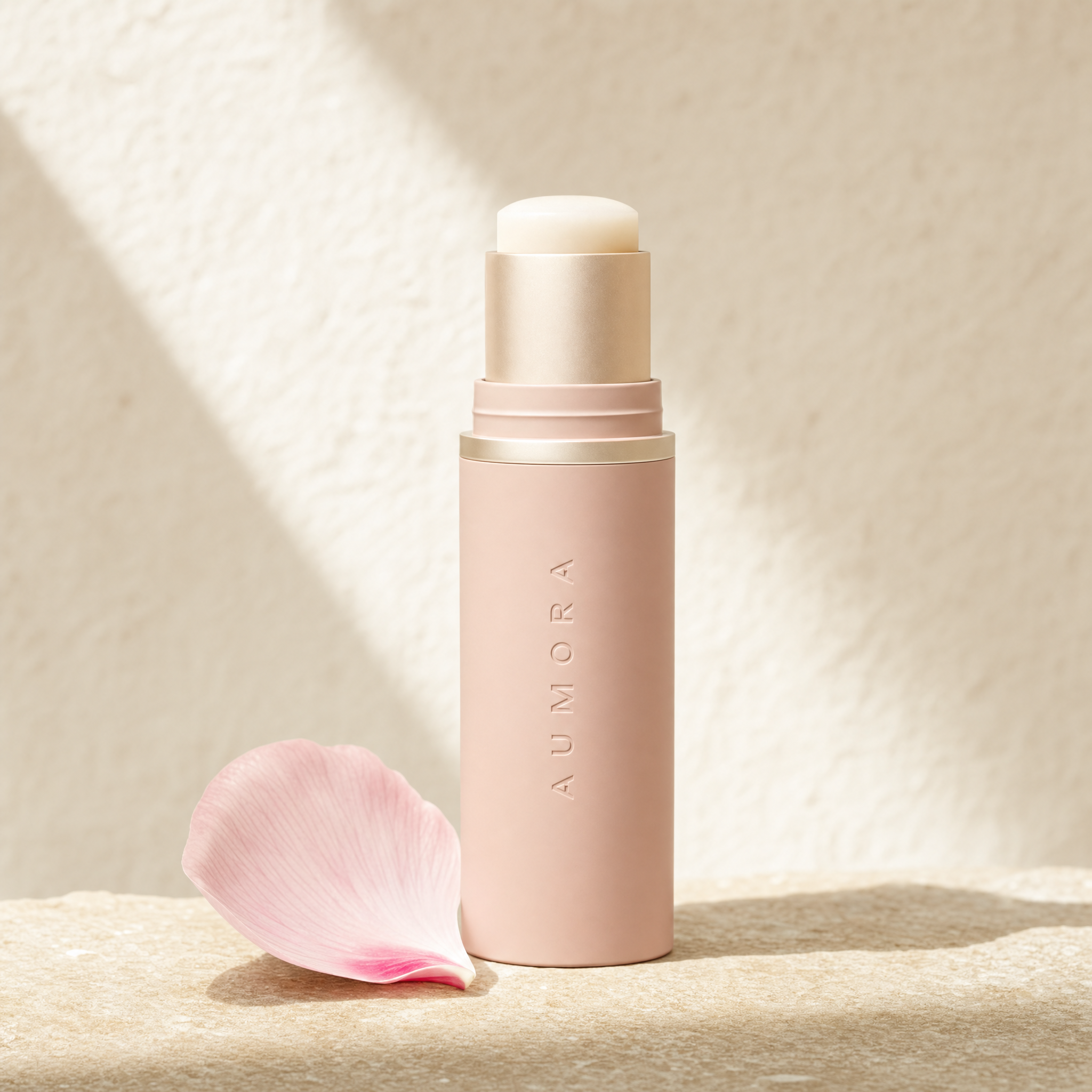
Get your face back.
Not a younger face. Not a different face. Yours. The one you had before the GLP-1, before the perimenopause, before the Tuesday you looked in the mirror and didn't recognize the woman looking back.
Check Availability